Are Hair Transplant Surgery Pain Levels Tolerable?
If you’re considering a hair transplant, one of the most common questions is simple: does a hair transplant hurt?
The short answer is that hair transplant surgery is usually very well tolerated, with most patients describing it as uncomfortable rather than painful. Understanding where discomfort can occur, and how it’s managed, helps set realistic expectations and removes a lot of unnecessary anxiety.
Below, we break down what pain feels like during, after, and in the days following a hair transplant.


Currently Available
Get fast, clear, expert advice on your hair loss
Choose a time that suits you, online or at our London clinic.
Book Free Consultation
Does a Hair Transplant Hurt During Surgery?
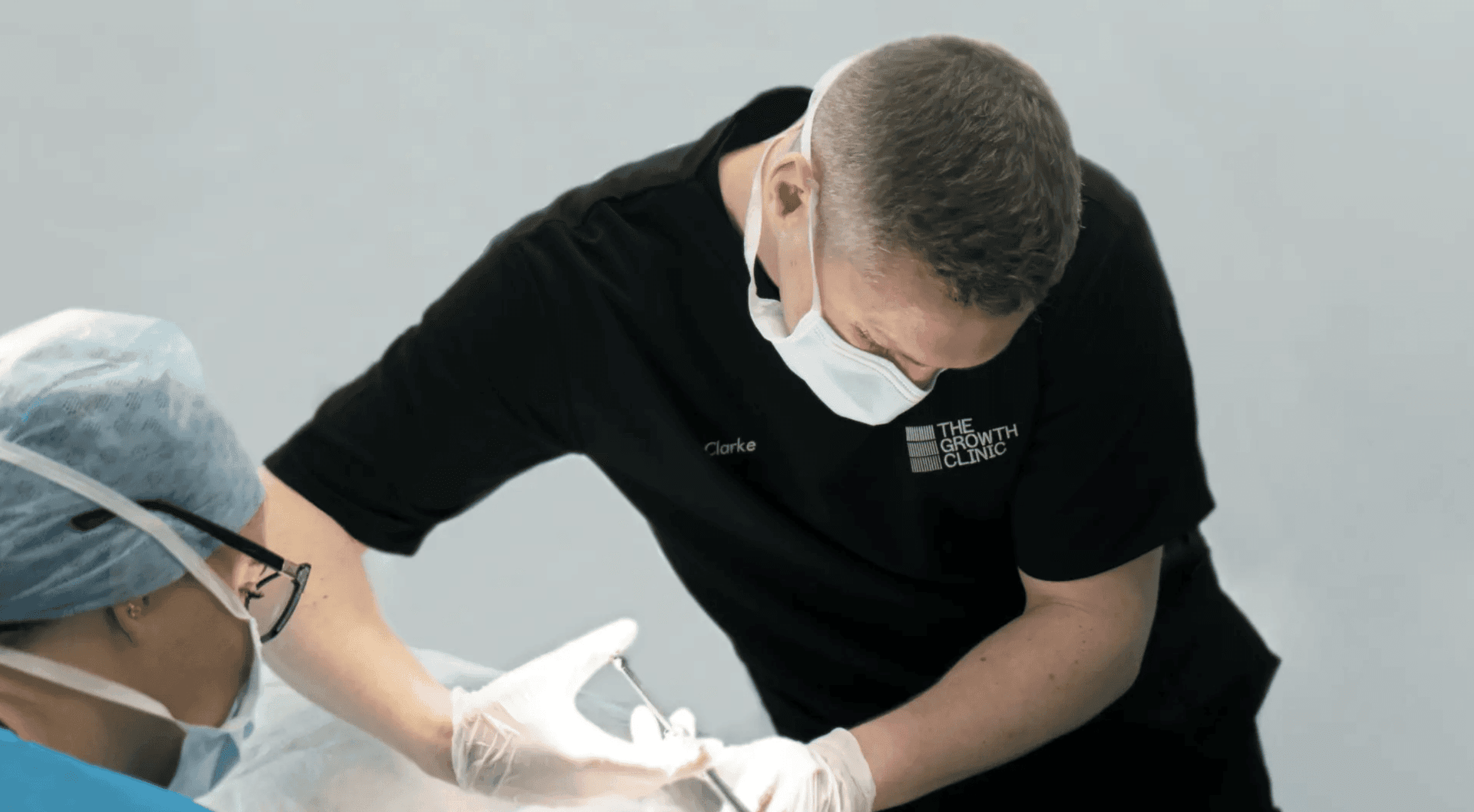
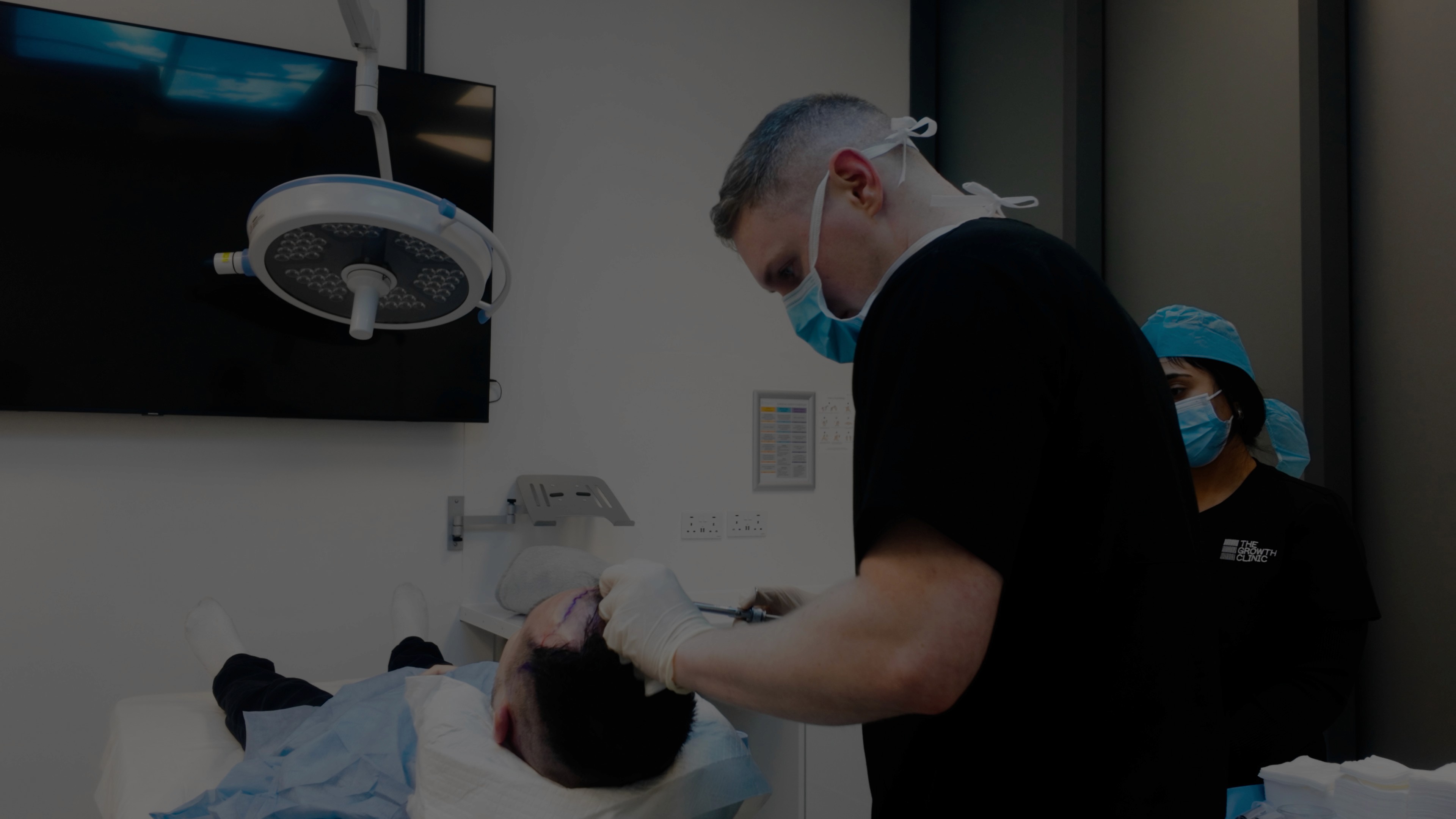
Hair transplant surgery is carried out using local anaesthetic, meaning you stay awake but the scalp is fully numbed.
The only part most patients describe as uncomfortable is the initial anaesthetic injections. These can cause a brief stinging, lasting a few seconds at a time. Once the anaesthetic takes effect, the scalp becomes numb and the procedure itself should be painless.
During surgery, you may feel:
Gentle pressure
Light movement on the scalp
Many patients watch films, listen to music, or even fall asleep during the procedure.
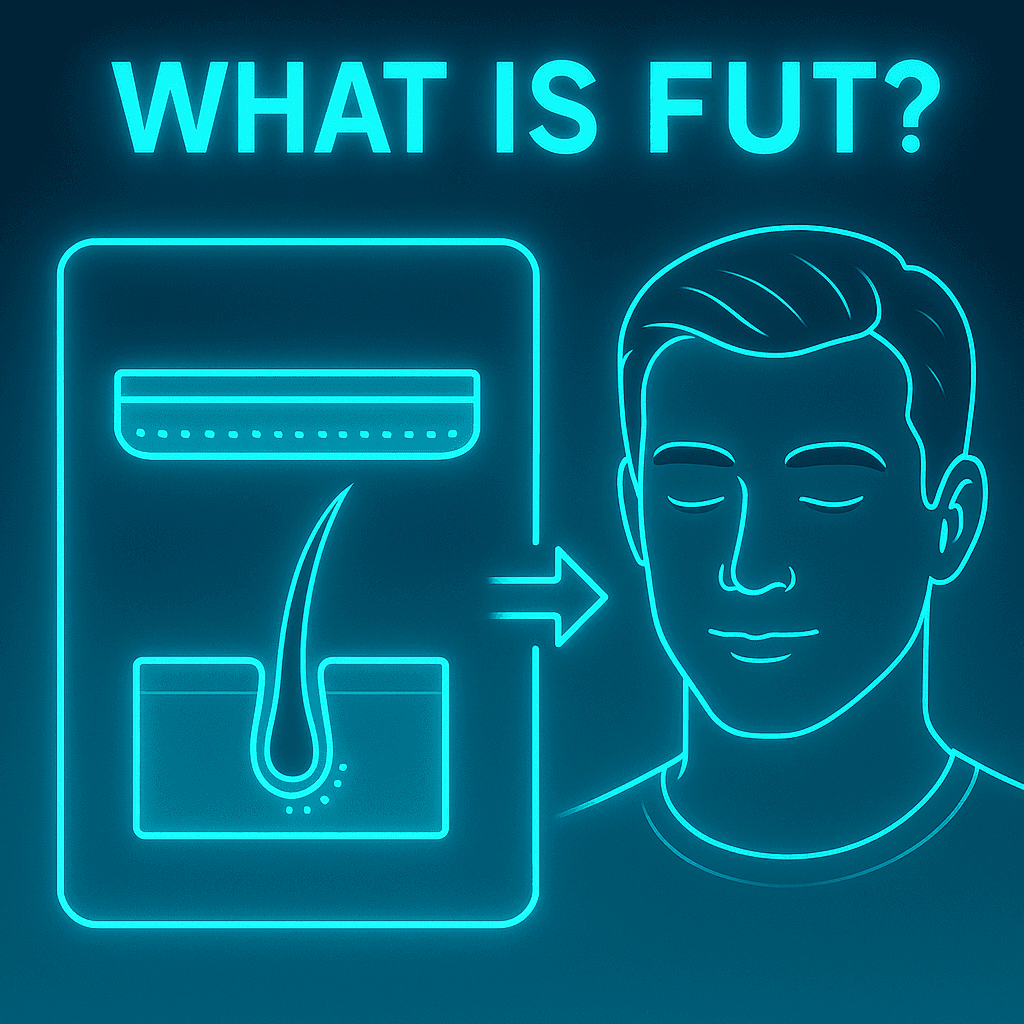
Is FUE or FUT More Painful?
Both FUE (Follicular Unit Extraction) and FUT (Follicular Unit Transplantation) are performed under local anaesthetic, so pain levels during surgery are similar. The difference comes mainly during recovery.
FUE hair transplant pain
Minimal discomfort during recovery
Mild soreness or tenderness in the donor area
No stitches, so healing is usually quicker
FUT hair transplant pain
Similar experience during surgery
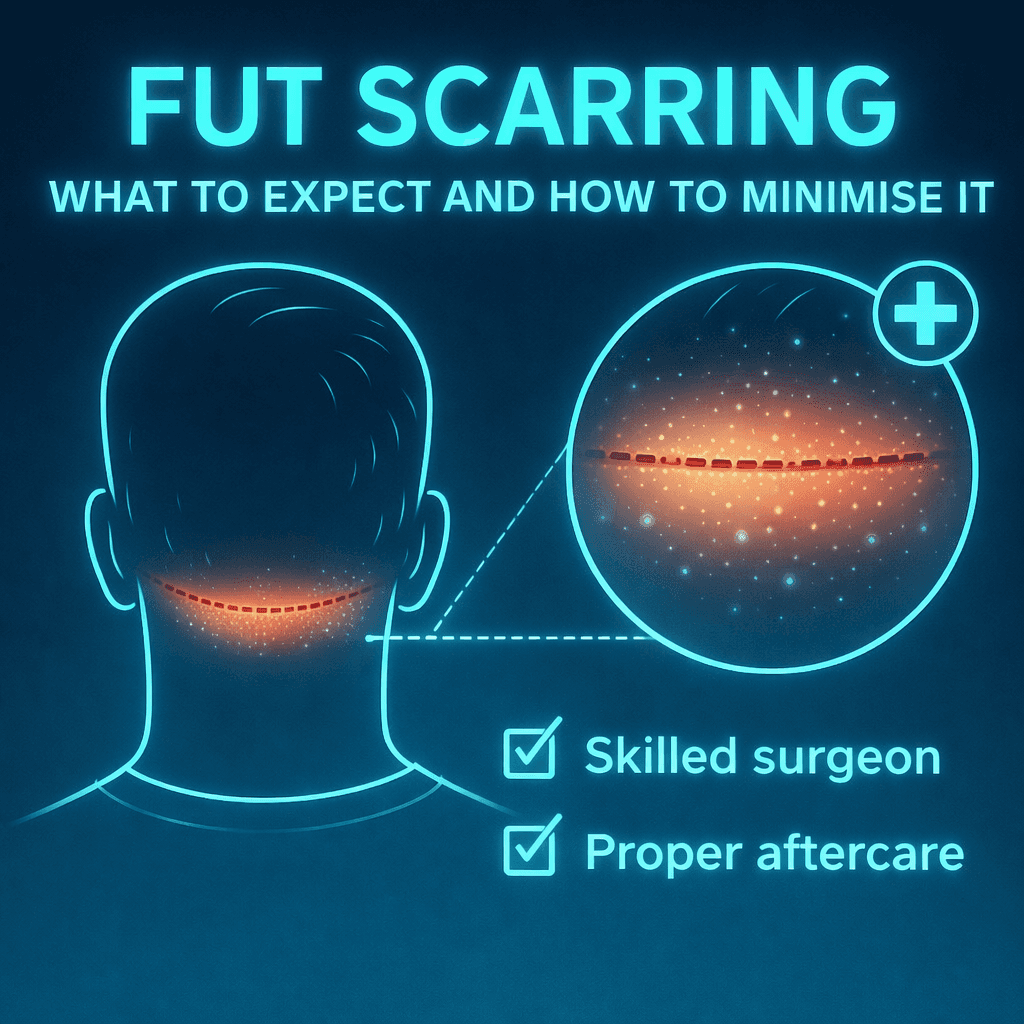
Some tightness or discomfort at the back of the head
Stitches can cause temporary soreness while healing
FUT patients may experience slightly more pain during the first few days, but the difference between the two procedures is minimal.

Currently Available
Get clarity on your hair loss
Get reassurance and a clear direction - without the guesswork.
Book Free Consultation
Pain After a Hair Transplant: What’s Normal?
After surgery, it’s normal to experience mild discomfort, particularly in the first few days. This usually includes:
Tenderness in the donor area
Mild swelling around the forehead or scalp
A tight or bruised feeling
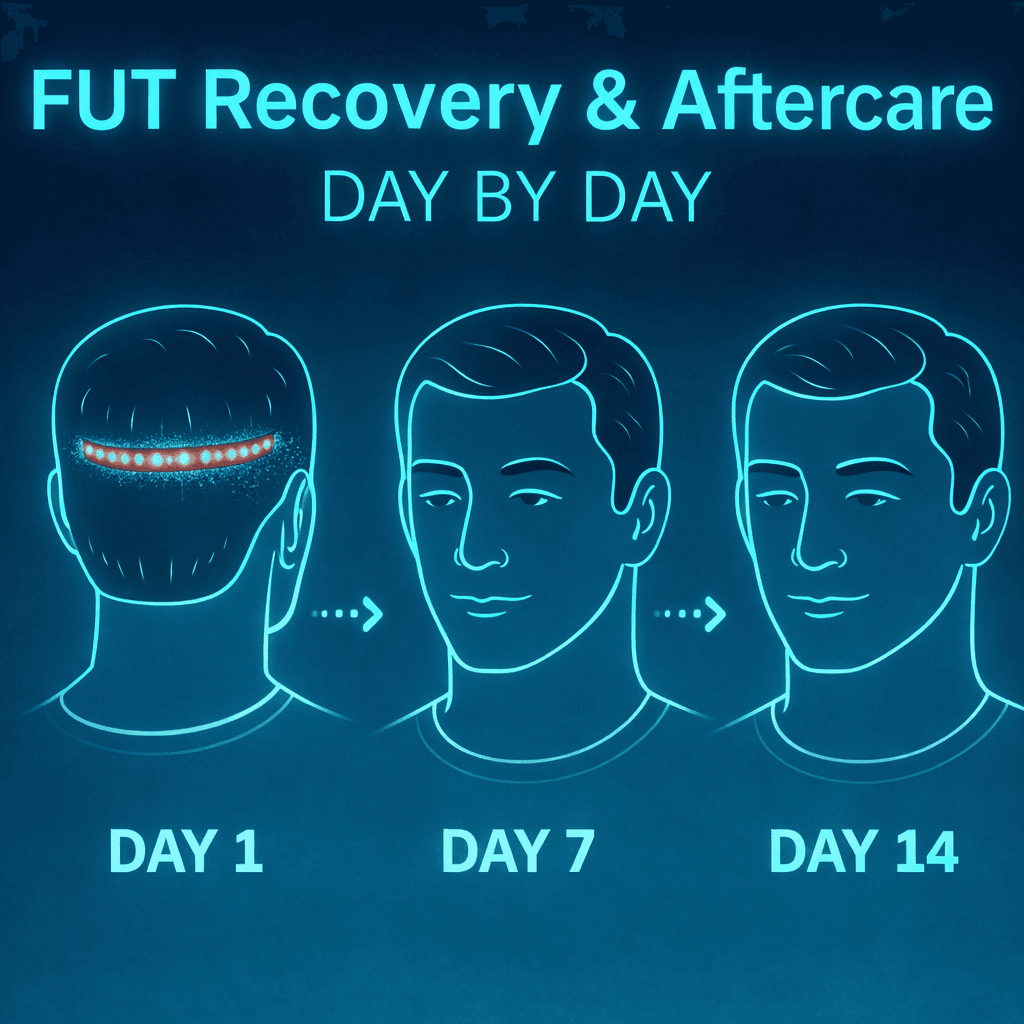
This discomfort typically peaks within the first 24–72 hours and then improves quickly.
By day 5 to 7, most patients report little to no pain at all. Any remaining sensations are usually described as sensitivity rather than pain.
How Is Pain Managed?
Pain management is straightforward and effective. Most patients only need:
Over-the-counter pain relief if required
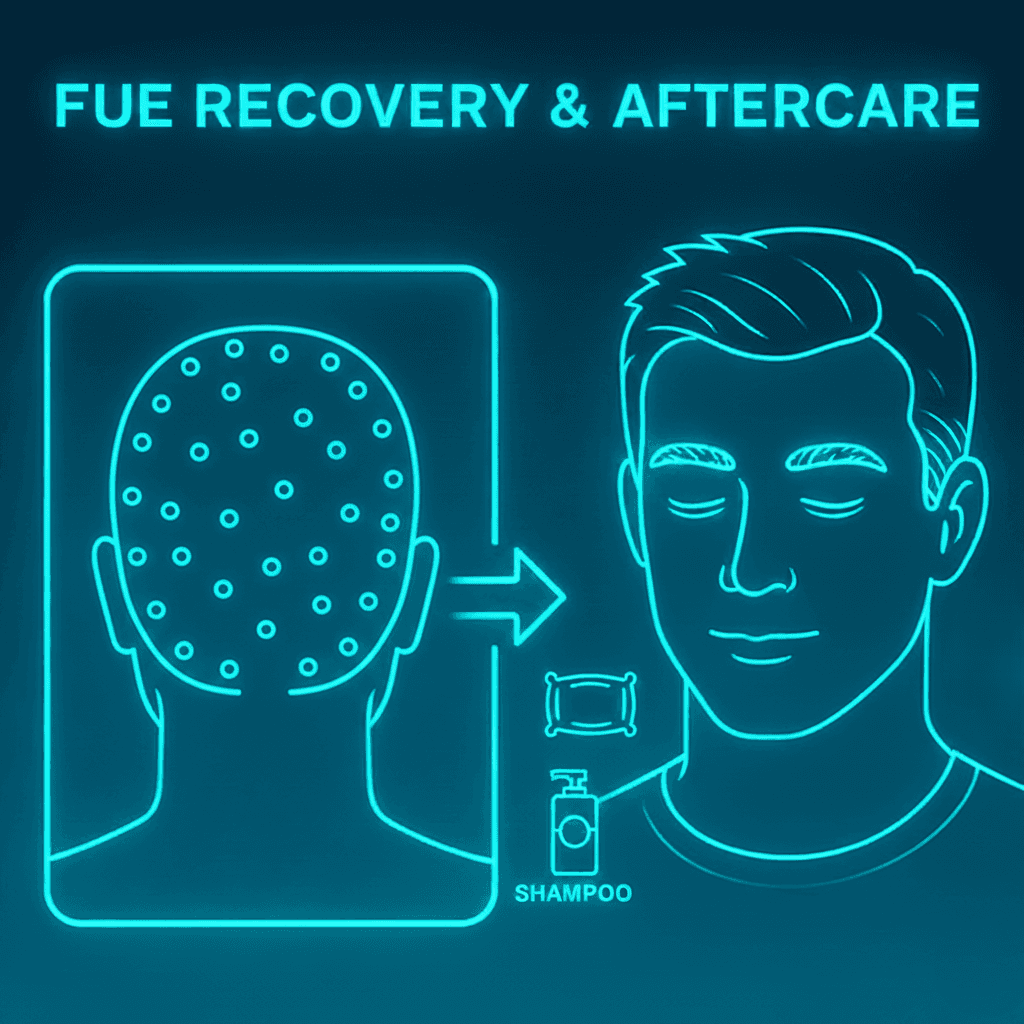
Careful adherence to aftercare instructions
Strong pain medication is rarely needed. You will also be provided guidance on what to avoid, such as strenuous activity or pressure on the scalp, to prevent unnecessary discomfort.
Following aftercare advice closely plays a major role in keeping recovery comfortable.
What Do Patients Usually Say?
One of the most consistent themes we hear from patients is that the fear of pain is worse than the reality.
Many describe the experience as:
“Slightly uncomfortable but manageable”
“Much easier than expected”
“Not painful once the anaesthetic kicked in”
Anxiety before surgery is completely normal, but most patients are surprised by how smooth the process feels.
When Should Pain Be a Concern?
While discomfort is expected, pain that worsens instead of improves is not normal.
You should contact The Growth Clinic if you experience:
Increasing pain several days after surgery
Severe redness, heat, or discharge
Pain that doesn’t respond to basic pain relief
Concerns over scalp discolouration
These symptoms are uncommon but should always be checked promptly.

Final Thoughts
So, is hair transplant surgery painful? For most people, the answer is no, at least not in the way they expect. While there may be brief discomfort from anaesthetic injections and mild soreness during recovery, pain is generally minimal and temporary.
With experienced surgeons, proper technique, and good aftercare, hair transplant surgery is a controlled, manageable procedure that most patients find far easier than anticipated.
If you’re unsure whether a hair transplant is right for you, a consultation with our hair transplant surgeon is the best next step. You can easily book by clicking here.